
Toilet Won’t Flush Properly: The Most Common Residential Plumbing Causes
When you need residential plumbing in Penrith, few things throw your day off like a toilet that won’t flush properly. One minute you’re rushing to get ready for work or school, and the next you’re dealing with a weak swirl, a half-flush, or a bowl that threatens to overflow. In many Penrith homes—especially busy households with kids, visitors, or older plumbing—small toilet issues can build into bigger drain and sewer problems if they’re ignored.
A poor flush is also one of the earliest warning signs that something isn’t right in your plumbing system. Sometimes it’s a simple cistern part that needs replacing. Other times, it’s a blocked drain starting to form deeper in the line, a venting issue, or tree roots invading underground pipes. The longer the issue continues, the more likely you’ll see repeat clogs, unpleasant smells, slow drains in other areas of the house, and even water damage.
This pillar guide explains the most common residential plumbing causes behind a toilet that won’t flush properly, what you can safely check at home, and when to call Local Windsor Plumber for professional help. We’ll also show you how our real services—like drain and sewer cleaning, water jetting, CCTV camera inspections, leak detection, and toilet repairs and installations—solve the root cause so the problem doesn’t keep coming back.
What “Won’t Flush Properly” Usually Looks Like
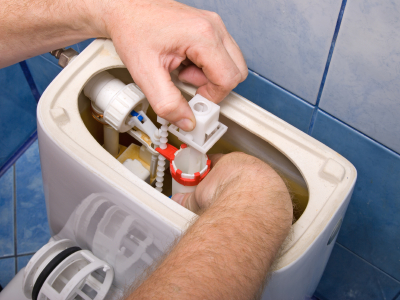
A toilet problem isn’t always obvious at first. Many homeowners in Penrith tell us, “It flushes, but it’s just not right.” That’s important—because those early signs are often your best chance to fix the issue before it becomes a full blockage or overflow.
Here are the most common symptoms we see:
- Weak flush: Water swirls slowly but doesn’t clear waste. This can happen when the cistern doesn’t release enough water, the flush valve isn’t opening fully, or a partial blockage is restricting flow.
- Double flushing needed: The first flush barely moves anything, and the second flush “finishes the job.” This can point to low cistern fill, poor water release, or a developing drain obstruction.
- Bowl water rises too high: Water climbs toward the rim before slowly dropping. This is a red flag for a blockage either in the toilet trap or further down the drain line.
- Slow cistern refill: You flush and the cistern takes ages to refill. That can be an inlet valve issue, low pressure, or a partially closed isolation valve.
- Gurgling or bubbling: Strange sounds from the toilet or nearby drains often indicate air flow problems in the plumbing vent system—or a partial drain blockage causing trapped air.
- Water level changes: If your bowl water level changes randomly (too low or too high), it could be siphoning caused by venting issues or pressure imbalances in the drain line.
- Recurring clogs: If you’re plunging every week, it’s not “normal.” That typically means there’s a deeper issue that needs proper drain clearing, inspection, and repair.
How our services relate: When you call Local Windsor Plumber, we don’t just guess. We can perform inspections and testing, check flush performance, inspect cistern parts, and—if there are signs of drain issues—use CCTV camera inspections to confirm what’s happening inside the pipes.
How a Toilet Flush Works (Simple Version)
Toilets are simple, but they rely on timing and pressure.
- Water stores in the cistern (the tank behind the toilet).
- When you flush, the flush valve opens and releases a quick rush of water into the bowl.
- That rush creates a pulling effect called a siphon, which drags waste through the toilet trap (S-bend) and into the drain.
- After flushing, the inlet valve refills the cistern so it’s ready for the next flush.
If any part of that chain is weak—too little stored water, a slow release, poor venting, or a blocked drain—the flush becomes unreliable. That’s why the “fix” depends on the cause.
How our services relate: We commonly repair toilets by replacing worn cistern seals, flush valves, inlet valves, or dual-flush mechanisms. But if we suspect the issue is beyond the toilet, we can move into blocked drain clearing, water jetting, and camera inspections to confirm and fix deeper plumbing faults.
The Most Common Residential Plumbing Causes of a Weak Flush
1) Not Enough Water in the Cistern (Low Fill Level)
A toilet needs a strong rush of water. If the cistern water level is too low, the flush won’t have enough power to start the siphon properly. This is one of the most common causes of weak flushing in residential plumbing.
Common reasons this happens:
- The float is set too low, so the cistern stops filling early.
- The inlet valve is worn or partially blocked with sediment.
- The cistern has an internal leak, so water drains into the bowl between flushes.
- The dual-flush system is misadjusted, so the full flush isn’t delivering the right volume.
What you can safely check:
- Remove the cistern lid and look for a waterline marking.
- If water is well below the mark, that’s likely your issue.
- Listen for constant water movement—if water is quietly running, you may have a leaking seal.
How we fix it (Local Windsor Plumber):
- Replace faulty inlet valves and floats
- Adjust and tune dual-flush systems for proper performance
- Repair internal leaks that waste water and weaken flushing
- Install new toilets if the unit is old, inefficient, or constantly failing
This service also ties into residential plumbing in Penrith because improving toilet performance often lowers water usage and prevents recurring blockages caused by weak flush pressure.
2) Partial Blockage in the Toilet Trap (Inside the S-Bend)
If a toilet seems “almost blocked,” it often means there’s something lodged in the S-bend (trap). Because the trap curves, items can catch there and create resistance without fully blocking the toilet at first.
Common culprits:
- Too much toilet paper in one flush
- “Flushable” wipes (many don’t break down properly)
- Paper towels (they’re designed to stay strong in water)
- Kids’ toys, cotton buds, sanitary products
- Build-up from repeated weak flushing
Safe things you can try:
- Use a proper toilet plunger (with a flange) and create a strong seal.
- Plunge firmly several times and flush once to test.
- Avoid chemical drain cleaners—if the toilet is partially blocked, chemicals can sit in the bowl and become hazardous.
How our services relate:
If plunging doesn’t work, we can clear it professionally and safely without damaging the toilet. If the blockage is stubborn, we can use drain/sewer cleaning tools or inspect further to ensure it isn’t a symptom of a bigger drain issue. If the obstruction has moved deeper into the line, we may recommend CCTV camera inspections to locate it properly.
3) Blockage Further Down the Drain Line (Not Just the Toilet)
Sometimes the toilet is fine—the drain line isn’t. If there’s a partial blockage in the pipe downstream, the toilet won’t flush properly because waste can’t move away fast enough.
Clues it’s a drain-line issue:
- The toilet flushes poorly and other drains are slow
- Gurgling in the toilet when the shower or laundry drains
- Water backing up into the shower or floor waste
- Smells coming from drains (especially when it’s hot or after rainfall)
What causes drain-line build-up in homes:
- Grease and food waste from kitchen lines
- Soap scum and hair build-up in bathroom lines
- Sediment and scale in older pipes
- Tree root intrusion (very common in residential areas with established trees)
How we fix it (real services):
- Blocked drain clearing and repairs
- High-pressure water jetting to remove build-up fast
- Drain and sewer cleaning to restore flow
- CCTV camera inspections to confirm blockage location and pipe condition
- Tree root removal and recommendations to reduce regrowth risk
If you keep getting clogs, clearing the toilet alone won’t solve it. This is where professional drain services matter most.
4) Blocked or Restricted Vent Pipe (Sewer Venting Problem)
Your toilet and drains need airflow to work properly. That’s what vent pipes do—they prevent suction and pressure problems. If a vent is blocked or undersized, your toilet can flush weakly, gurgle, or have changing water levels.
Common symptoms:
- Gurgling after flushing
- Toilet bowl water level drops lower than usual
- Slow flushing, even when the cistern is full
- Sewer smells that come and go
Common causes of vent issues:
- Leaves and debris
- Birds nesting near roof vents
- Damaged vent pipe sections
- Blockages in older plumbing systems
How our services relate:
We can diagnose venting and drainage airflow issues through inspections and testing, and we often combine that with camera inspections to confirm whether the issue is venting, blockage, or both. If venting is affecting other fixtures, we’ll look at the system as a whole—not just the toilet.
5) Faulty Flapper or Flush Valve (Water Not Dumping Fast Enough)
A toilet flush needs speed. Even if the cistern has enough water, the flush will be weak if the valve releases water too slowly or closes too quickly.
Signs:
- You have to hold the button down to flush properly
- Flush starts okay then stops early
- Incomplete bowl clearing, especially solids
Why it happens:
- Worn seals and rubber parts
- Mineral build-up preventing a good seal or smooth movement
- Misaligned chain or button mechanism
- Old components that no longer fit tightly
How our services relate:
Local Windsor Plumber can repair or replace flush valves, seals, and cistern mechanisms. This is part of our general plumbing repairs and installations service, and it’s one of the quickest ways to restore proper flushing without needing major drain work.
6) Cistern Buttons or Dual-Flush Mechanism Problems
Dual-flush toilets are common in Australia, but their internal parts can wear out or slip out of adjustment. If the mechanism doesn’t lift properly, you don’t get enough water volume for a full flush.
What it looks like:
- Buttons jam, stick, or feel “soft”
- Half flush works, full flush doesn’t
- Flush is inconsistent depending on how you press it
How we fix it:
- Replace worn dual-flush buttons and linkages
- Adjust flush volumes to match the toilet design
- Repair internal cistern components causing weak release
This ties directly into residential plumbing in Penrith, because dual-flush toilets are everywhere—and small repairs prevent wasted water and repeat callouts.
7) Low Water Pressure or a Partially Closed Isolation Valve
If your toilet takes forever to refill, it may not have enough water stored for a strong flush—especially if multiple people use the bathroom close together.
Causes:
- Toilet isolation valve is not fully open
- Inlet valve filter is clogged with sediment
- Property has low pressure or flow issues
- Old supply lines restricting flow
What you can check safely:
- Confirm the isolation valve behind the toilet is fully open (turn anti-clockwise).
- If the valve is stiff or old, don’t force it.
How our services relate:
We can replace isolation valves, inlet valves, and diagnose pressure issues. If low pressure is caused by hidden leaks, we can use leak detection (water, shower, pool, and gas) to locate the problem and stop water loss.
8) Mineral Build-Up and Hard Water Effects
Over time, minerals can build up inside cistern parts, causing valves to stick or seals to fail. Even a small layer of scale can prevent the flush mechanism from moving smoothly.
Signs:
- Buttons stick
- The flush valve doesn’t seat properly
- You see chalky build-up inside the cistern
- Toilet performance slowly worsens over months
How we fix it:
- Replace scaled components that can’t be cleaned effectively
- Install higher-quality parts that last longer
- Recommend water filtration solutions if you want to protect fixtures long-term (especially in homes where scale is a repeated problem)
9) Cracked Cistern, Hidden Leaks, or Running Toilet
A running toilet is more than annoying—it can also weaken flushing. If the cistern leaks into the bowl continuously, it may never reach the correct fill level.
Signs:
- Hissing or trickling sounds when no one flushed
- Water keeps refilling randomly
- Water bill increases without explanation
- Bowl water constantly ripples
How our services relate:
We diagnose and repair internal leaks, replace seals, and can perform broader leak detection when needed. If the toilet is beyond repair or constantly failing, we can supply and install a new unit as part of our toilet installation service.
10) The Toilet Is the Wrong Type for the Drain Setup (Installation Issue)
Sometimes the toilet itself is fine—but it’s not installed correctly for the plumbing layout. This can happen after renovations, DIY installs, or when an old toilet is replaced with a newer low-flow model without considering the drain line condition.
Examples:
- Incorrect pan connector angle causing poor flow
- Misalignment or restriction at the connection point
- Poor pipe fall (slope) causing slow movement
- Old drains struggling with low-flow toilets, leading to repeat clogs
How our services relate:
We handle general plumbing repairs and installations, including toilet replacements and correcting installation issues. If needed, we use camera inspections to confirm pipe condition and recommend the right fix—whether that’s adjusting the install, clearing the line, or upgrading the toilet.
Quick Troubleshooting Checklist (Safe for Homeowners)
If your toilet won’t flush properly, here’s a safe checklist to try:
- Check cistern water level (is it low?)
- Do a “hold down” test (hold the button down—does it flush stronger?)
- Plunge properly (seal + firm plunges)
- Check the isolation valve is fully open
- Listen for gurgling (could be venting or drain blockage)
- Test other drains (slow shower/laundry may mean drain-line issue)
Stop and call a plumber immediately if:
- The bowl water rises close to overflow
- Sewage smells are strong
- Multiple drains are backing up
- The issue keeps returning after basic checks
When a Poor Flush Is an Emergency
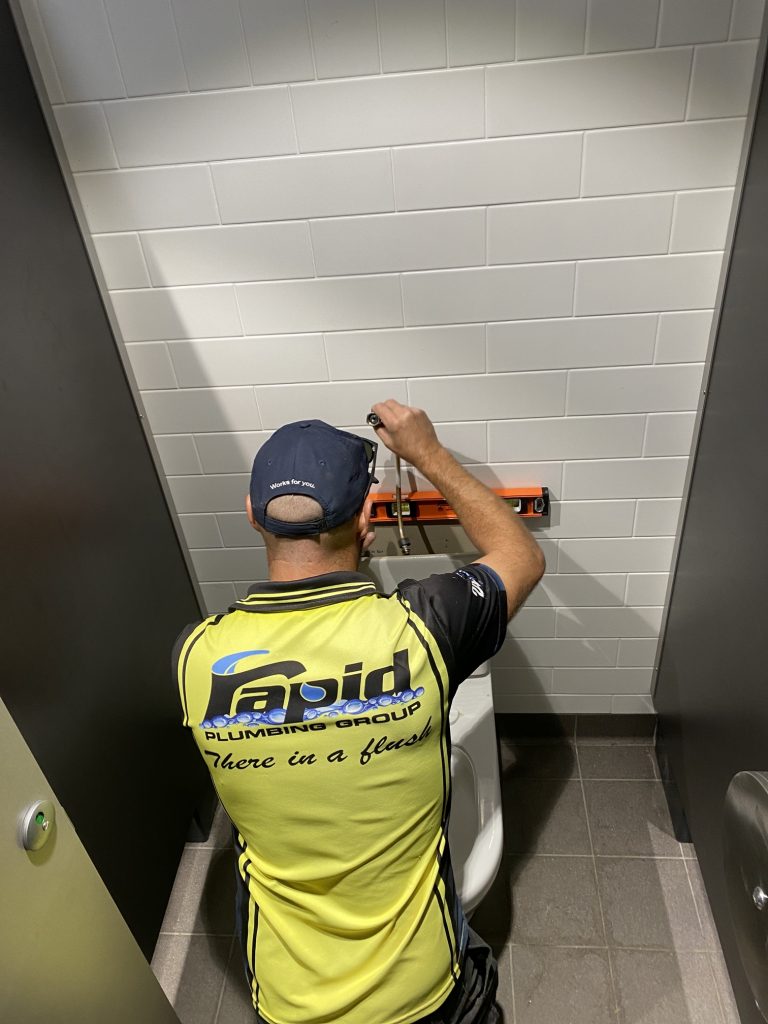
A weak flush can turn into an emergency quickly. Call for 24/7 emergency plumbing if you have:
- An overflowing toilet that won’t settle
- Water backing up into shower, bath, or laundry
- Strong sewage smells inside the home
- Flooding that could damage flooring, walls, or cabinetry
In these cases, fast action matters. Emergency plumbing can prevent major property damage and hygiene risks.
How Local Windsor Plumber Fixes Toilets That Won’t Flush Properly
At Local Windsor Plumber, we don’t do guesswork. We diagnose the cause properly and match the fix to the problem—so you don’t keep paying for repeat callouts.
Here’s what we commonly do for flushing problems in Penrith homes:
- Toilet repairs and installations
- Replace flush valves, inlet valves, seals, dual-flush mechanisms
- Repair running toilets and leaking cisterns
- Install new toilets when the unit is beyond repair
- Blocked drain clearing and repairs
- High-pressure water jetting for stubborn build-up
- Drain/sewer cleaning to restore full flow
- Tree root removal where roots are choking the line
- CCTV camera inspections
- Confirm where the blockage is
- Identify pipe damage, cracks, collapses, or root entry points
- Leak detection (water, shower, pool, and gas)
- Locate hidden leaks that affect pressure or cause water damage
- General plumbing repairs and installations
- Taps, toilets, showers, and preventative plumbing checks
- Inspections and testing to identify issues early
- Water filtration solutions
- Reduce mineral build-up that ruins valves and seals over time
- Gas fitting and gas plumbing
- Appliance installations, repairs, and gas leak detection
- Hot water systems
- Supply, install, service, and repair gas, electric, instant, heat pumps, solar, and commercial hot water
Even if you called us for a toilet, we’ll always consider the bigger picture—because toilet flushing issues often involve the drain line, venting, or property-wide plumbing health.
FAQs: Toilet Won’t Flush Properly
Why does my toilet flush better sometimes and worse other times?
That usually means the cistern isn’t filling consistently, or there’s a partial blockage/venting issue that changes depending on water use in other parts of the house.
Can I use boiling water to fix a weak flush?
It’s risky. Boiling water can crack porcelain, especially in cooler weather. It’s safer to plunge or call a plumber if the issue is ongoing.
Why is my toilet gurgling after a flush?
Gurgling often points to venting problems or a partial drain blockage trapping air. It’s a strong sign you may need professional drain inspection.
How do I know if tree roots are causing the problem?
If you have recurring clogs and slow drains (especially in older properties with large trees), roots are a common culprit. A CCTV camera inspection is the fastest way to confirm it.
Call Local Windsor Plumber for Residential Plumbing in Penrith
If your toilet won’t flush properly, you don’t have to live with half-flushes, constant plunging, or the stress of possible overflows. Local Windsor Plumber delivers reliable residential plumbing in Penrith, backed by the right equipment and real expertise—so we can fix the cause, not just the symptom.
Whether the issue is a worn cistern seal, a faulty dual-flush mechanism, a blocked drain needing water jetting, or tree roots in the sewer line, we’ll diagnose it properly and restore strong, clean flushing fast. We also provide 24/7 emergency plumbing, drain cleaning, camera inspections, leak detection, and complete residential plumbing repairs and installations.
Call Local Windsor Plumber now on 245551007, or visit our website to book a service or request urgent help.