
Toilet Leaking at the Base: What’s Usually Broken and Why It’s Urgent
A toilet leaking at the base is one of those plumbing issues that can look harmless—until your bathroom floor starts swelling, tiles lift, or you notice a sewer smell that won’t go away. In many Penrith homes, the water you see around the toilet isn’t just “a little spill.” It often means water is escaping under the toilet, where you can’t easily see the damage. That’s why this problem needs attention fast.
If you’re searching for residential plumbing in penrith, this guide is written to help you understand what’s usually broken, what you can safely check at home, and when you should call a licensed plumber. I’ll keep everything simple, clear, and practical—so an 8th grader could explain it to someone else.
At Local Windsor Plumber, we use proven, on-the-job solutions to fix these issues properly, including toilet repairs and installations, leak detection, inspections and testing, blocked drain clearing, CCTV camera inspections, water jetting, sewer cleaning, and tree root removal if tree roots are invading your sewer line underground.
Why a Toilet Leaking at the Base Is Usually Urgent
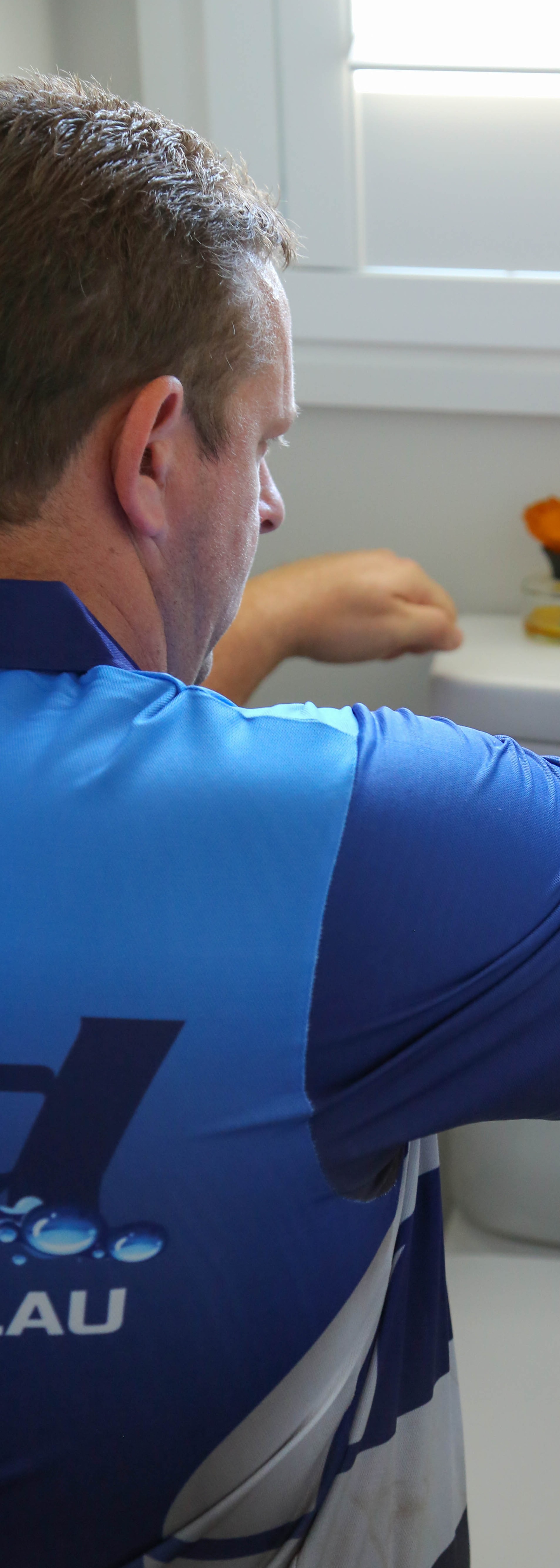
A base leak is not like a dripping tap where you can see the water and place a bucket under it. When a toilet leaks at the base, the most common causes happen below the bowl, where water can soak into flooring and spread silently.
Here’s why it’s urgent in plain terms:
Water Damage Gets Worse Fast
Even a slow leak can seep into:
- tile grout lines
- underlay (beneath vinyl flooring)
- timber subfloors
- wall framing and skirting boards
In Australian homes, once moisture gets into timber, it can swell, soften, and start to rot. That leads to bouncy floors, loose tiles, and expensive repairs.
How we help: Local Windsor Plumber can isolate the problem quickly, remove the toilet safely, and repair the leak before damage spreads. We also carry out inspections and testing to confirm the leak source instead of guessing.
Hidden Mould Risk
Bathrooms are already warm and humid. Add hidden moisture under the toilet, and mould can start growing where you can’t see it—under tiles, behind the wall, or inside flooring layers.
Mould isn’t just gross—it can also trigger allergies and breathing issues.
How we help: We fix the leak at the cause and check for ongoing moisture signs. If the leak has been active for a while, we can advise on next steps so your bathroom doesn’t keep staying damp.
Sewer Smell and Hygiene Problems
If the seal under the toilet fails, you may get sewer gas smells—even if you don’t see much water. And if the leak includes wastewater, that’s a hygiene risk for your home.
How we help: We don’t just reseal; we also check the toilet connection and drain line, and we can use leak detection techniques to confirm whether clean water or wastewater is escaping.
A Small Leak Can Become a Major Repair
What starts as a small damp ring can become:
- rotted subfloor
- cracked tiles
- ceiling stains (if the toilet is upstairs)
- damaged plasterboard
- structural weakening around the bathroom
That’s why calling early is usually cheaper than waiting.
Quick Signs Your Toilet Is Leaking at the Base
Some toilet leaks are obvious, but many are subtle at first. These signs are your “warning lights.”
Signs You Can See and Feel
- Water pooling around the toilet after flushing
- A damp ring that returns after you wipe it up
- Floor feels soft, spongy, or uneven near the base
- Toilet rocks when you sit down or lean on it
- Paint bubbling or skirting boards swelling near the toilet
Signs You Can Smell or Hear
- Musty smell that doesn’t go away
- Sewer smell after flushing
- Gurgling sounds from the bowl or nearby drains
Extra Clues That Point to a Drain Issue
- Toilet flushes slowly
- Water rises higher than normal before draining
- Nearby floor waste or shower drain backs up
How we help: Local Windsor Plumber can do inspections and testing, and if there are drainage signs, we can do a CCTV camera inspection to see exactly what’s happening inside your pipes—without tearing up the floor.
The Most Common Causes of a Toilet Leaking at the Base
1) The Wax Ring (or Rubber Seal) Has Failed
This is the most common reason toilets leak at the base.
A toilet sits on a seal that connects the toilet outlet to the drain opening. This seal stops:
- water leaking out during flushing
- sewer gases rising into the bathroom
Wax rings are common, but some toilets use rubber pan seals.
Why the Seal Fails
- Toilet wasn’t installed perfectly level
- Toilet bolts loosen and the toilet shifts
- The seal was reused after the toilet was removed
- Floor movement over time (common in older homes)
- The wrong seal type or size was installed
- The flange (the drain fitting) sits too high or too low
What You Usually Notice
- Leak mainly happens right after flushing
- Smell sometimes appears (not always at first)
- Toilet may feel slightly loose
How we fix it:
Local Windsor Plumber will:
- remove the toilet safely
- replace the seal properly (we don’t reuse old seals)
- clean and inspect the connection points
- refit and level the toilet
- test multiple flushes to confirm the leak is gone
We also handle toilet repairs and installations, so if the toilet is old or cracked, we can replace it rather than patching a failing unit.
2) Loose, Corroded, or Broken Toilet Base Bolts
Toilets are held down by bolts that keep the toilet stable and pressed tightly onto the seal. If those bolts loosen or corrode, the toilet can rock—and that movement destroys the seal underneath.
How Bolts Get Loose
- Normal movement over years
- Flooring swelling and shrinking with moisture
- Poor installation
- Corrosion from moisture around the base
What You Might Notice
- Toilet wobbles or shifts
- Leak is worse after someone sits down
- Leak comes and goes unpredictably
Important: Tightening bolts can help a little, but it’s not always a real fix if the seal has already failed. Also, overtightening can crack the porcelain base.
How we fix it:
We can:
- secure or replace toilet bolts
- reseat the toilet with a new seal
- confirm the toilet is stable and level
- perform inspections and testing to ensure no hidden leak remains
3) A Cracked Toilet Pan (Porcelain Damage)
A cracked toilet can leak straight through the body of the toilet. Cracks can be tiny and hard to spot.
Common Causes of Cracks
- Dropping a heavy object on the bowl
- Overtightening bolts
- Stress from an uneven floor
- Age-related weakening
What You Might Notice
- Leak even when not flushing (sometimes)
- Water appears at odd spots, not just the back
- Hairline crack near the base
Why it’s urgent: A small crack can suddenly widen, causing a bigger leak.
How we help:
If the toilet is cracked, resealing won’t solve it. We can replace the toilet as part of our general plumbing repairs and installations and ensure the drain connection is fitted correctly the first time.
4) The Toilet Flange Is Damaged or Not Sitting Right
The flange is the fitting in the floor that connects the toilet to the drain pipe. If it’s cracked, warped, too low, or too high, the toilet won’t seal correctly.
How Flange Problems Happen
- old flange cracks over time
- rust in older setups
- poor installation
- renovations that change floor height (new tiles, new flooring)
- movement in subfloor timber
What You Might Notice
- Toilet leaks repeatedly even after “fixes”
- Toilet never feels stable
- Seal replacements don’t last long
How we fix it:
Local Windsor Plumber can:
- inspect the flange condition
- repair or replace damaged flange components
- adjust the setup so the toilet sits level and seals correctly
- test thoroughly before leaving
This is the kind of problem where our inspection and testing approach matters—because guessing wastes time and money.
5) Condensation (It Looks Like a Leak, But Isn’t)
Sometimes the water around the toilet base is not from the drain seal. It’s from moisture in the air condensing on cold surfaces.
This is more common when:
- the weather is humid
- the bathroom has poor ventilation
- the toilet is flushed frequently with cold water
Signs It’s Condensation
- water is clean and clear
- you don’t notice the leak specifically after flushing
- the outside of the toilet bowl or cistern feels wet
- no sewer smell
How we help:
We can confirm whether it’s a plumbing leak or condensation through inspection and testing, and we can also check for small leaks around valves and hoses that mimic condensation.
6) A Leak From the Cistern, Inlet, or Flexi Hose That Runs Down to the Base
Water can drip from higher up and travel down the toilet, pooling at the base—making it look like the base seal is the problem.
Common Leak Points
- flexi hose connection
- inlet valve
- cistern bolts and seals
- cistern-to-pan gasket
What You Might Notice
- drips behind the toilet
- wetness on the outside of the toilet
- leak occurs while the cistern refills
How we fix it:
Local Windsor Plumber can repair or replace:
- valves
- seals
- hoses
- faulty connections
This falls under our general plumbing repairs and installations, and we always test pressure and connections after repair.
7) Blocked Drain or Partial Blockage Causing Backflow
If the drain line is partially blocked, flushing pushes water against the weakest spot. If the toilet seal or flange area is compromised, water can escape at the base.
Signs of a Blockage
- slow flushing
- rising water level
- gurgling sounds
- water backing up in other fixtures
How we fix it:
This is where our drainage services matter:
- blocked drain clearing and repairs
- water jetting (high-pressure cleaning)
- drain/sewer cleaning
- CCTV camera inspections to identify the exact blockage cause
8) Tree Roots or Pipe Damage Under the Bathroom
Tree roots can enter sewer pipes through tiny cracks or joints. Once inside, they grow and catch toilet paper and waste, leading to repeated blockages, backups, and pressure problems.
Signs of Roots or Pipe Damage
- toilet blocks repeatedly
- gurgling drains
- bad smells outside or in the bathroom
- problems worsen after heavy rain
- leaks keep returning even after toilet resealing
How we fix it:
Local Windsor Plumber can:
- run CCTV camera inspections to confirm root entry
- perform tree root removal
- use water jetting to clear buildup
- recommend the right repair if the pipe is damaged
This approach prevents repeated call-outs for the same issue.
What To Do Right Now If Your Toilet Is Leaking at the Base
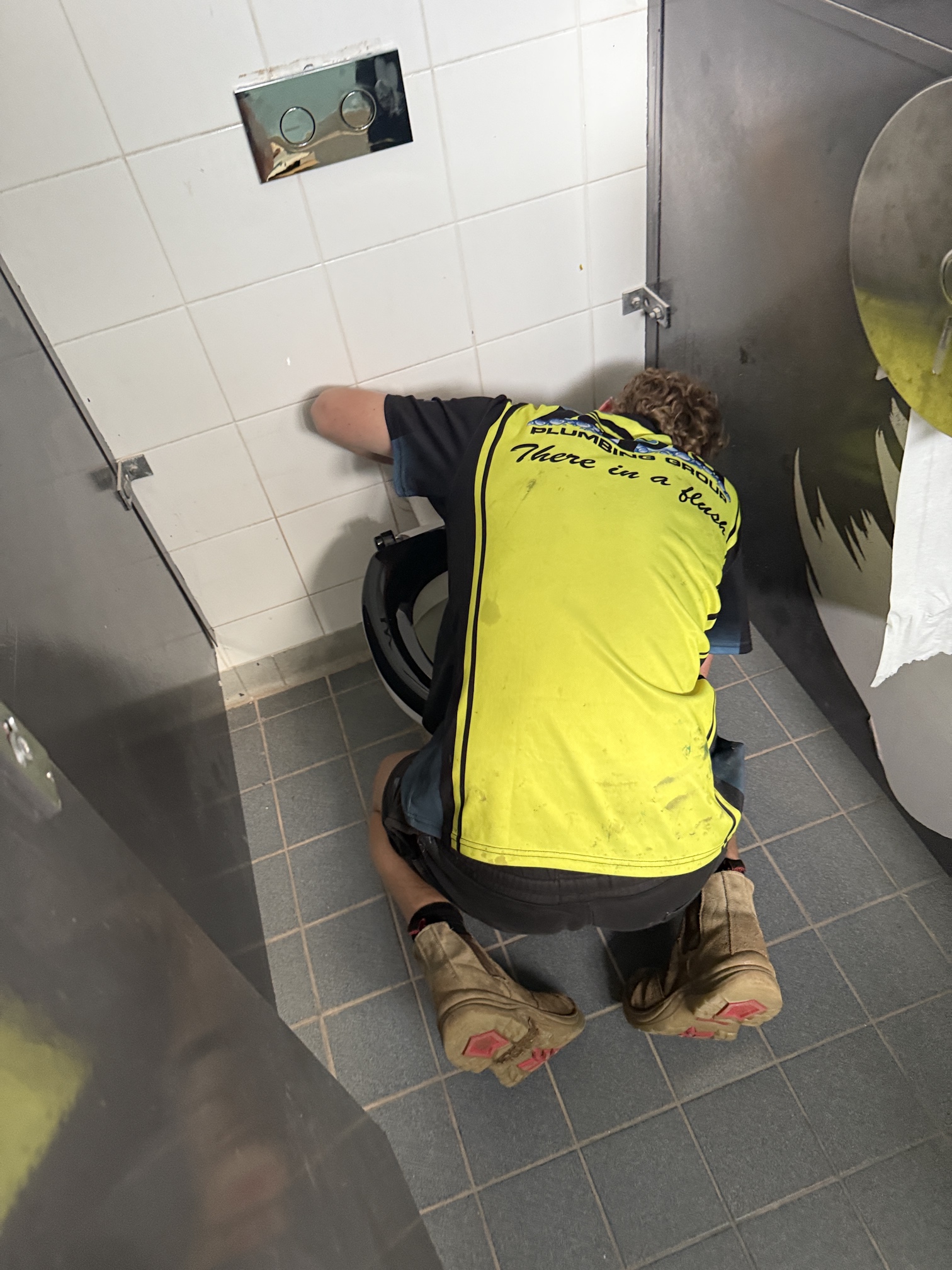
Step 1: Stop Using the Toilet (If You Can)
If the leak happens after flushing, each flush can keep soaking your floor.
Step 2: Do a Simple Paper Towel Test
- Dry the base
- Place paper towels around the toilet
- Flush once
- Wait 10–15 minutes
- Check where the wetness appears first
This helps you tell if it’s a seal leak or a top-down leak.
Step 3: Check the Inlet Hose and Cistern Area
Look for drips at:
- the flexi hose connection
- the shut-off valve
- underneath the cistern
Step 4: Avoid Sealing It With Silicone as a “Fix”
Silicone can trap water under the toilet. It hides the symptom while the damage continues underneath.
What we do instead: We find the actual source using leak detection, inspections, and proper repair.
Can You DIY a Toilet Base Leak?
DIY Checks That Are Safe
- look for wobble
- check for visible cracks
- inspect hose connections for drips
- track when the leak appears
DIY Fixes That Often Go Wrong
Reseating a toilet and replacing the seal can be tricky. The risks include:
- cracking the toilet
- incorrect seal installation
- missing flange damage
- leak returning in weeks
- sewer smells appearing later
If you want a lasting repair, it’s usually best to call a licensed plumber—especially if your bathroom floor already feels soft or smells.
How a Licensed Plumber Fixes a Toilet Leaking at the Base
When Local Windsor Plumber fixes a base leak, the goal is not “stop the water today.” The goal is stop the leak and stop it from coming back.
1) Proper Diagnosis (Not Guessing)
We confirm whether it’s:
- a pan seal failure
- a loose toilet base
- a cracked toilet
- a flange problem
- a top-down leak
- a drain blockage issue
2) Reseating the Toilet the Right Way
If it’s the seal:
- remove the toilet
- replace the seal correctly
- ensure the toilet sits level
- secure bolts safely
- test multiple flushes
- check for seepage after refilling
3) Fixing the Drain System (If Needed)
If we suspect drain pressure or blockage:
- CCTV camera inspection to pinpoint cause
- water jetting to clear heavy buildup
- tree root removal if roots are present
- drain/sewer cleaning to restore flow
4) Leak Detection for Peace of Mind
If the leak is confusing or intermittent, we can apply leak detection methods to confirm what’s happening—especially in bathrooms where water can travel and show up in the wrong place.
Why This Problem Is Common in Homes Around Penrith
In Penrith and surrounding areas, we often see:
- older toilets with worn seals
- floor movement affecting toilet alignment
- sewer lines affected by tree roots
- renovations that change floor height and flange positioning
- blocked drain issues needing jetting or camera inspection
So the “usual broken part” might be a simple seal—or it might be the first sign of a deeper drain issue.
That’s why residential plumbing in penrith should always include proper diagnostics, not quick patch jobs.
Preventing Toilet Base Leaks in the Future
You can prevent a lot of damage by acting early and maintaining your plumbing:
- Fix a wobbly toilet immediately
Movement destroys seals. - Don’t ignore slow drains and gurgling
These can be blockage warnings. - Use professional drain cleaning when needed
Water jetting and CCTV inspections prevent repeat problems. - Schedule inspections if your home is older
Early detection is cheaper than repairs.
If you’ve had more than one blockage in a year, a camera inspection is often worth it.
FAQ: Toilet Leaking at the Base
Is a toilet leaking at the base an emergency?
It can be. If it leaks after every flush, smells like sewage, or the floor is soft—treat it as urgent.
Can I keep using it if it’s just a small amount of water?
Not recommended. The water can soak into floors and cause damage you won’t see until it’s expensive.
What’s the most common part that’s broken?
The wax ring (or rubber seal) under the toilet is the most common failure.
Why does the leak come and go?
It might depend on:
- how hard the toilet is used
- movement from sitting
- the size of the flush
- partial drain blockage pressure
Will silicone around the base fix it?
No. It can hide the leak and trap water underneath, making damage worse.
Call Local Windsor Plumber for Fast, Proper Repairs in Penrith
If your toilet is leaking at the base, don’t wait until the floor starts rotting or the smell becomes unbearable. Base leaks are often caused by failed seals, loose toilets, cracked pans, damaged flanges, or even hidden drain blockages—and fixing the real cause is what stops the leak for good.
At Local Windsor Plumber, we specialise in residential plumbing in penrith, offering:
- Toilet repairs and installations (taps, toilets, showers, fittings)
- Inspections and testing to confirm the exact cause
- Leak detection (water, shower, pool, and gas-related checks)
- Blocked drain clearing and repairs
- Water jetting and drain/sewer cleaning
- CCTV camera inspections
- Tree root removal when roots invade sewer lines
- 24/7 emergency plumbing support when leaks can’t wait
Call Local Windsor Plumber on 245551007 today and we’ll help you stop the leak, protect your bathroom, and keep your plumbing working the way it should.