
Toilet Bowl Water Level Too Low: Why It Happens and How It Affects Flushing
If you’ve noticed the water level in your toilet bowl is suddenly too low, you’re not alone. It’s one of those plumbing problems that feels “small” at first—but it can quickly turn into weak flushing, repeat clogs, bad smells, and even overflow risks if the real cause is deeper in your drain or vent system. For homeowners searching for residential plumbing in Penrith, this issue is especially worth fixing early because older plumbing layouts, tree roots, and storm debris can all affect how toilets drain and vent in Western Sydney homes.
A toilet isn’t just a bowl that holds water. It’s a system that depends on the right water volume, air pressure, and pipe flow to work properly. When the bowl water level drops below normal, the toilet can’t create the right “push” during a flush. That’s why you might see waste lingering, paper not clearing, or a flush that sounds weak and short.
In this pillar guide, we’ll break down what a normal bowl level looks like, the most common reasons it becomes too low, what it does to your flushing power, and what you can safely check at home. We’ll also explain when it’s time to call Local Windsor Plumber for professional help—especially if you’re dealing with gurgling drains, sewer smells, slow wastewater flow, or frequent toilet blockages.
Why the Water Level in Your Toilet Bowl Matters
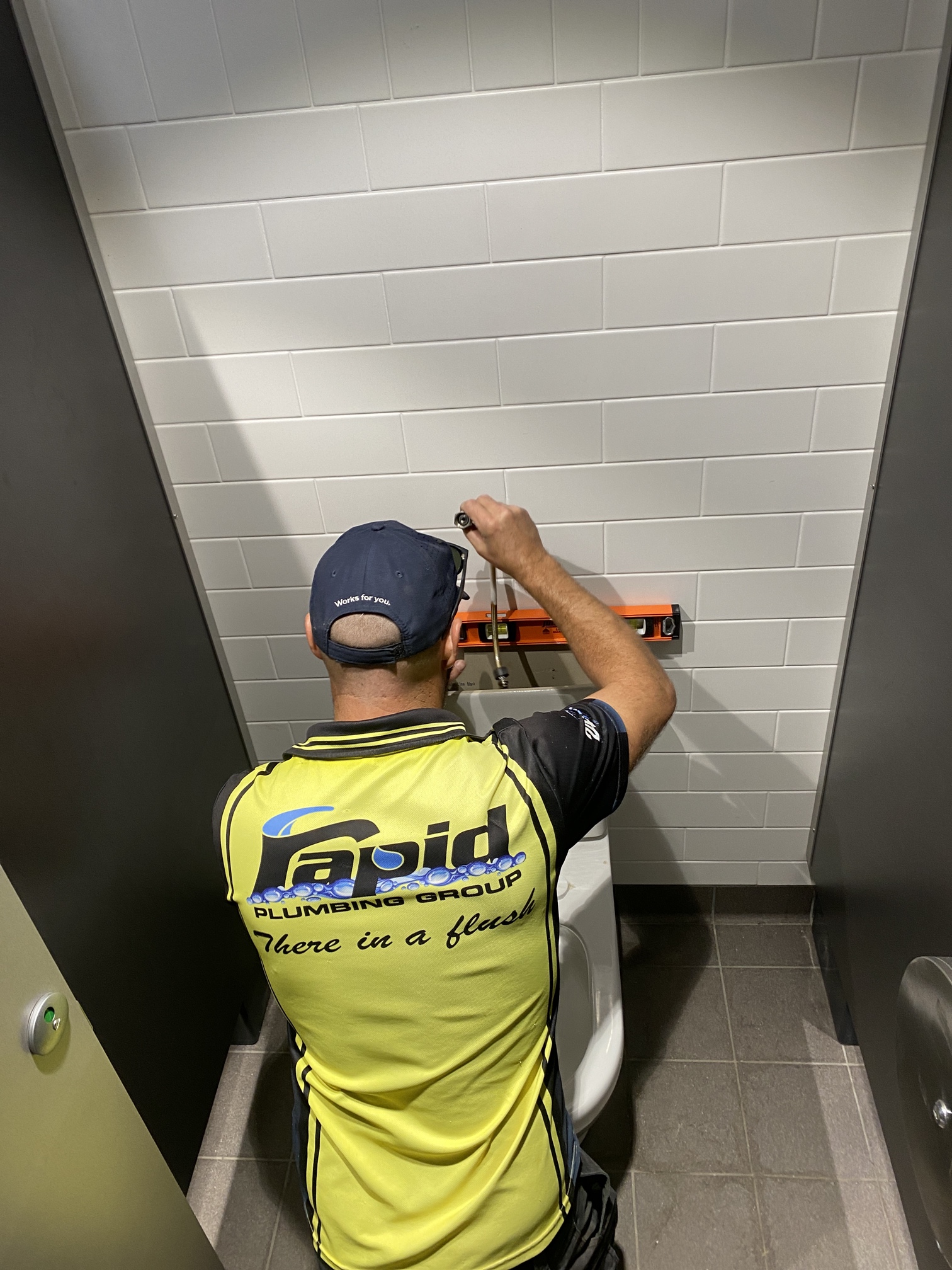
The water in your toilet bowl isn’t there “for looks.” It’s an important part of your plumbing system, and when it’s too low, several problems can show up quickly.
1) It blocks sewer gases from entering your bathroom
That standing water acts like a plug. It seals the drain and stops unpleasant sewer odours from coming back up. When the water level drops, that seal gets weaker, and smells can leak into your home—especially after a flush or when other drains (like the shower or laundry) are used.
How Local Windsor Plumber helps: If you’re noticing odours along with low water level, we can inspect the system and perform drain/sewer cleaning, check venting, and run leak detection tests to rule out hidden issues.
2) It supports the flush and keeps waste moving
Toilets rely on a combination of water force and bowl water volume. When the bowl level is correct, waste is lifted and carried through the trapway smoothly. When it’s low, there’s less water to “carry” solids and paper, which often leads to:
- weak or incomplete flushing
- repeat flushing
- paper hanging back
- buildup inside the trapway over time
How Local Windsor Plumber helps: We handle toilet inspections, repairs, and installations, and we can correct flushing performance issues by adjusting internal cistern components, clearing partial blockages, and confirming correct flow.
3) It reduces staining, skid marks, and bacteria buildup
Lower water means less rinsing action on the bowl surface. Over time, you may see more stains, mineral rings, and more frequent cleaning needs. If the issue is caused by partial blockages, you could also have waste sitting in the trapway longer—creating a hygiene problem and increasing bad odours.
How Local Windsor Plumber helps: For repeated issues, we often recommend a CCTV camera inspection followed by high-pressure water jetting (when appropriate) to clear buildup fully and restore smooth drainage.
What Is a Normal Toilet Bowl Water Level?
Most modern toilets are designed so the water sits around the middle area of the bowl—not too high, not too low. Some models sit slightly higher or lower, but the key point is this: the level should be stable. If you see it changing day to day, or dropping over time, that’s usually a sign of a venting problem, drain restriction, or a slow leak.
Common signs the water level is too low
- The bowl looks “shallow,” like the water is sitting at the bottom only
- Your flush feels weak, short, or “hollow”
- You need to flush twice often
- You get sewer smells even when the toilet isn’t being used
- You hear gurgling from the toilet or nearby drains
- You notice water level changes after running the shower, laundry, or kitchen sink
Why a plumber’s inspection matters
A toilet bowl water issue can look like a simple cistern adjustment—but if it’s linked to your drain line, vent pipe, or tree roots, DIY fixes won’t hold. A professional plumber can test flow, check venting, and confirm whether the issue is isolated to the toilet or part of a bigger system problem.
Local Windsor Plumber services relevant here:
- plumbing inspections and testing
- toilet repairs and installations
- blocked drain clearing
- CCTV camera inspections
- leak detection (including shower, pool, and gas where relevant)
Quick Answer Box (AEO-Friendly)
What causes a low water level in a toilet bowl?
Low toilet bowl water can be caused by a blocked vent pipe, a partial drain blockage, a low cistern fill level, siphoning from another fixture, or a crack/leak in the toilet bowl.
Is low toilet bowl water serious?
It can be. Low water level often causes weak flushing, odours, and repeat clogs. If the root cause is a blocked vent or drain restriction, the problem usually gets worse over time.
How do plumbers diagnose it?
Plumbers use flow testing, vent inspections, and often a CCTV drain camera inspection to find hidden blockages, root intrusion, or pipe damage—then clear it using the correct method (like water jetting or targeted drain cleaning).
ow a Toilet Keeps the Right Water Level (Simple Explanation)
To understand why the level gets low, it helps to know how toilets hold and refill water.
The two main parts
- The cistern (tank): This is where clean water sits before a flush. It uses a fill valve and float to stop at the correct level.
- The bowl + trapway: The bowl holds standing water and connects to the drain through a curved pathway called the trapway. That curve holds water and blocks sewer gases.
What happens during a flush
- The cistern releases water into the bowl quickly.
- That surge pushes waste through the trapway.
- After the flush, bowl water settles back to a preset level.
- The cistern refills for the next flush.
Why air matters
Plumbing needs air to flow properly. That’s why vent pipes exist. If air can’t enter the system (blocked vent), water movement becomes messy—causing siphoning, gurgling, slow draining, and low bowl water levels.
Local Windsor Plumber can help with:
- diagnosing venting and airflow issues
- inspecting pipe layouts and drain performance
- clearing vent or drain blockages safely
Top Reasons Your Toilet Bowl Water Level Is Too Low
Below are the most common causes we see in homes. Some are simple. Some require professional tools to diagnose properly.
1) The Cistern Water Level Is Too Low (Tank Isn’t Filling Enough)
Sometimes the bowl water level issue starts with the cistern. If the cistern doesn’t fill to the proper line, your flush won’t deliver enough force or water volume. That can make the bowl refill poorly and can leave the water level looking too low afterward.
Why the cistern might be underfilling
- The float is set too low
- Fill valve is worn or partially blocked by debris
- Water supply tap is only half open
- Sediment buildup inside the valve (more common in older properties)
- A running toilet problem that prevents proper refill cycles
Symptoms you may notice
- Weak flush, especially with solids
- Cistern refills slowly
- You hear the cistern “hiss” or run longer than normal
- Toilet struggles more in the morning or after lots of use
What you can safely check at home
- Carefully lift the cistern lid
- Look for a marked “water line” (some models have it)
- Confirm the float isn’t stuck
- Make sure the water supply tap is fully open
When to call Local Windsor Plumber
If the cistern parts are old or the toilet keeps underfilling, we can:
- replace worn valves and seals
- stop running toilets
- restore correct flushing power
- ensure your toilet is fitted correctly and efficiently
Relevant services: general plumbing repairs, toilets, inspections and testing, toilet repair and installation.
2) A Partial Blockage in the Toilet or Drain Line
A partial blockage is one of the sneakiest causes. The toilet might still flush “sometimes,” but it’s not moving waste properly. That changes pressure and flow inside the trapway and drain, which can lower the bowl water level after flushing.
What causes partial blockages
- Too much toilet paper in one flush
- “Flushable” wipes (often don’t break down)
- Kids’ toys or foreign objects
- Sanitary products or paper towels
- Grease and buildup from connected pipes (yes, even bathrooms can be affected by broader drain buildup)
Signs of a partial blockage
- Flush swirls longer than normal
- Water level rises during flush then drops too low
- You need repeated flushing
- Gurgling or bubbling in the bowl
- Nearby drains (bathroom sink/shower) are slower than usual
Why it affects bowl water level
When water can’t flow freely, the system may create suction and siphon more water than it should—or it may not allow a clean refill pattern.
How Local Windsor Plumber fixes it properly
We don’t rely on guesswork. We may use:
- CCTV drain camera inspections to locate the blockage
- water jetting to clear buildup thoroughly
- drain/sewer cleaning for recurring issues
- advice to prevent future clogs
Relevant services: blocked drain clearing and repairs, water jetting, camera inspections, tree root removal.
3) A Blocked or Restricted Vent Pipe (Major Cause of Low Bowl Water)
This is a big one—and it often surprises homeowners.
What is a vent pipe?
A vent is a pipe that runs up through the roof. It allows air into the plumbing system. Without enough airflow, water can’t drain smoothly and can pull water from fixtures (including your toilet bowl).
How vents get blocked
In many Australian homes, especially after wind or storms:
- leaves and debris fall into vent openings
- birds nest in vents
- roof dirt and buildup collect inside
- small animals can get stuck (rare but it happens)
Signs you likely have a vent problem
- toilet gurgles after flushing
- sewer smells are stronger than usual
- toilet bowl water level changes randomly
- other fixtures affect the toilet (shower/laundry use changes bowl level)
- multiple drains seem noisy or slow at the same time
Why it causes low toilet water levels
If air can’t enter through the vent, the system tries to pull air from somewhere else. Often, that “somewhere else” is the toilet bowl—so it siphons water out to balance pressure.
How Local Windsor Plumber can help
We can:
- test the system airflow
- identify vent-related drainage problems
- safely clear vent restrictions (roof work should be left to licensed professionals)
- follow up with drain cleaning if vent problems were triggered by blockages
Relevant services: plumbing inspections and testing, blocked drain clearing, camera inspection.
4) Water Is Being Siphoned Out by Another Fixture (Shower/Laundry)
If you notice the toilet bowl level drops after you run the shower or washing machine, you may have a siphoning issue caused by venting faults or pressure imbalance.
Common signs
- toilet bubbles when the laundry drains
- bowl water level drops after shower use
- gurgling sounds from multiple drains
- smell appears after other fixtures run
What causes it
- blocked vent pipe
- poor venting design or old plumbing layout
- partial blockages amplifying suction
- multiple fixtures sharing a line without proper air control
How Local Windsor Plumber diagnoses it
This is where our inspections and testing matter. We may:
- run flow tests across fixtures
- check for partial blockages
- use CCTV camera inspection to see inside the line
- clear the issue using the safest long-term solution
Relevant services: inspections and testing, drain cleaning, camera inspections, water jetting.
5) A Crack in the Toilet Bowl (Slow Leak That Lowers Water)
A cracked bowl can leak water slowly over time, causing the bowl level to drop even when no one is using it. Some cracks don’t leak onto the floor right away—they can seep into hidden areas or evaporate before you notice.
What to look for
- bowl water level drops over a few hours
- occasional dampness near the base
- small hairline cracks in the porcelain
- unexplained water marks or smell near the toilet
Why this matters
Cracked toilets can fail suddenly. That means bigger leaks, water damage, and potential slip hazards.
How Local Windsor Plumber helps
We can:
- confirm whether the toilet is cracked or leaking
- recommend the right replacement option
- handle safe removal and installation
- check for underlying drain issues so the new toilet performs correctly
Relevant services: general plumbing repairs and installations, toilet installations, leak detection.
6) The Toilet Was Installed Incorrectly or the Wrong Model Was Used
If your toilet was installed recently (or renovated), low bowl water level can happen when:
- the toilet isn’t suited to the drain configuration
- there’s a misalignment affecting trapway performance
- venting issues were made worse by the change
- restrictions exist in the drain line that weren’t addressed during install
Common renovation-related symptoms
- low bowl level started immediately after install
- flushing is noisy or inconsistent
- toilet blocks more than the previous one did
- the bathroom smells “drainy” after use
How Local Windsor Plumber resolves it
We can:
- inspect the install quality
- confirm correct toilet selection and fitment
- use a camera inspection to verify drain condition
- perform drain clearing if hidden buildup is the real cause
Relevant services: toilet installation, inspections and testing, camera inspection, drain clearing.
How Low Bowl Water Affects Flushing (What’s Actually Happening)
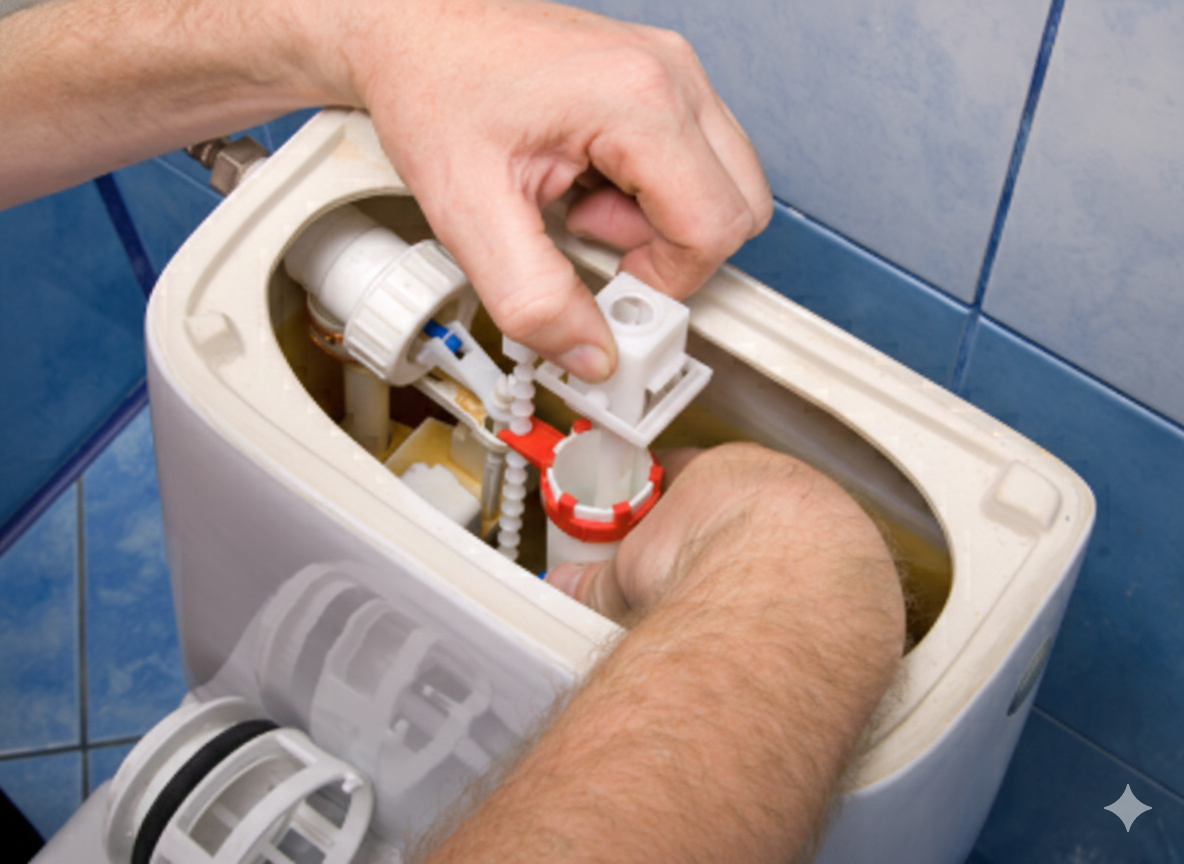
Low bowl water changes how the flush carries waste. Here’s what that means in everyday terms:
1) Your toilet loses “carry power”
Less water in the bowl means waste has less volume to move with. This is why you get incomplete flushes.
2) More repeat flushing (and higher water bills)
When people flush twice regularly, the problem gets worse over time because partial blockages pack tighter and older valves wear faster.
3) Higher risk of clogs and overflow
Weak flush = more waste left behind = more chance of a full blockage later. Once a full blockage happens, your toilet can overflow quickly.
4) Sewer smells become more noticeable
A lower water seal means odours have an easier path into your bathroom—especially during weather changes or heavy water usage days.
How we help: Local Windsor Plumber can restore correct flushing performance through a combination of toilet repairs, valve replacements, drain cleaning, and high-pressure water jetting when needed.
Safe DIY Checks You Can Try First (Without Making It Worse)
These are homeowner-friendly steps that won’t risk damaging your plumbing:
1) Check cistern fill level + flush strength
If the cistern isn’t filling properly, your flush won’t refill the bowl correctly either.
2) Test for siphoning
Flush, then run the shower or laundry. If the toilet gurgles or drops lower, you likely have venting or drain issues.
3) Watch the bowl level over 2–4 hours
If it slowly drops without use, suspect a crack or leak.
4) Avoid harsh chemical cleaners
They can damage seals and pipes. If you’ve got recurring blockages, professional cleaning is safer.
When to Call a Plumber in Penrith (Don’t Wait for an Overflow)
Call Local Windsor Plumber if:
- low bowl level happens repeatedly
- you hear gurgling
- you smell sewer odours
- the toilet blocks more than once in a month
- other drains are slow too
- you suspect tree roots or older sewer lines
- you notice leaks, cracks, or dampness
Even if the toilet still “sort of works,” the cause is often building toward a bigger problem.
How Local Windsor Plumber Fixes Low Toilet Bowl Water Issues
At Local Windsor Plumber, we don’t just treat the symptom—we fix the cause. Depending on what we find, we may use:
CCTV drain camera inspections
This shows us exactly what’s in the pipe—build-up, foreign objects, cracks, misalignment, or tree root intrusion—so we can solve it properly.
High-pressure water jetting
Jetting clears stubborn blockages and pipe buildup without damaging the line (when used correctly). It’s great for recurring toilet problems tied to broader drain issues.
Drain and sewer cleaning
We clear the pipe thoroughly, not just the visible part. This reduces repeat blockages and improves flushing performance.
Toilet repairs and installations
We handle:
- fill valve replacement
- cistern adjustments
- flush mechanism repairs
- toilet replacement and correct installation
Leak detection + inspection and testing
If water loss or structural issues are suspected, we test to confirm what’s happening and prevent hidden damage.
Prevention Tips to Keep Bowl Water Levels Normal
- Only flush toilet paper and human waste
- Bin wipes, pads, and paper towels
- Book a drain inspection if clogs repeat
- Address gurgling early (often a vent/drain sign)
- Consider a camera inspection if your home is older or near trees
FAQs (AEO + GEO Friendly)
Why is my toilet bowl water level low in Penrith homes?
Common causes include partial drain blockages, blocked vent pipes, and tree root intrusion—especially in older suburbs with mature trees and older sewer connections.
Can water jetting fix toilet flushing issues?
Yes—if the cause is buildup or drain restriction. High-pressure water jetting is often one of the most effective long-term drain clearing methods.
Is a camera inspection worth it?
If the problem keeps returning, absolutely. A CCTV camera inspection removes guesswork and helps you avoid repeated callouts for temporary fixes.
Call Local Windsor Plumber for Residential Plumbing in Penrith
If your toilet bowl water level is too low, don’t wait until it becomes a full blockage or an overflow emergency. Local Windsor Plumber provides fast, professional solutions for toilet issues, blocked drains, vent-related flushing problems, and leak concerns—backed by the right tools and real experience.
For trusted residential plumbing in Penrith, call Local Windsor Plumber now on 245551007. We’ll inspect the cause, fix it properly, and get your toilet flushing strong again—without the repeat problems.