
Kitchen Sink Bubbling When You Run the Tap: Causes in Residential Plumbing
If your kitchen sink starts bubbling (or making a “glug-glug” sound) when you turn the tap on, your plumbing is basically telling you one thing: air and water aren’t moving the way they should.
In a healthy system, water flows down the drain while air moves freely through the venting network (often up through the roof). That air movement keeps pressure balanced so water can drain smoothly. When something interferes—like a partial blockage, grease build-up, a vent problem, or a developing sewer-line issue—you’ll often notice bubbling, gurgling, slow draining, and sometimes unpleasant smells.
This pillar guide breaks down the most common causes, what you can safely check at home, and how a professional plumber fixes it properly—especially if you’re dealing with residential plumbing in Penrith, where everyday kitchen usage, older pipework, and occasional tree root intrusion can all play a role.
What “Bubbling” in a Kitchen Sink Actually Means
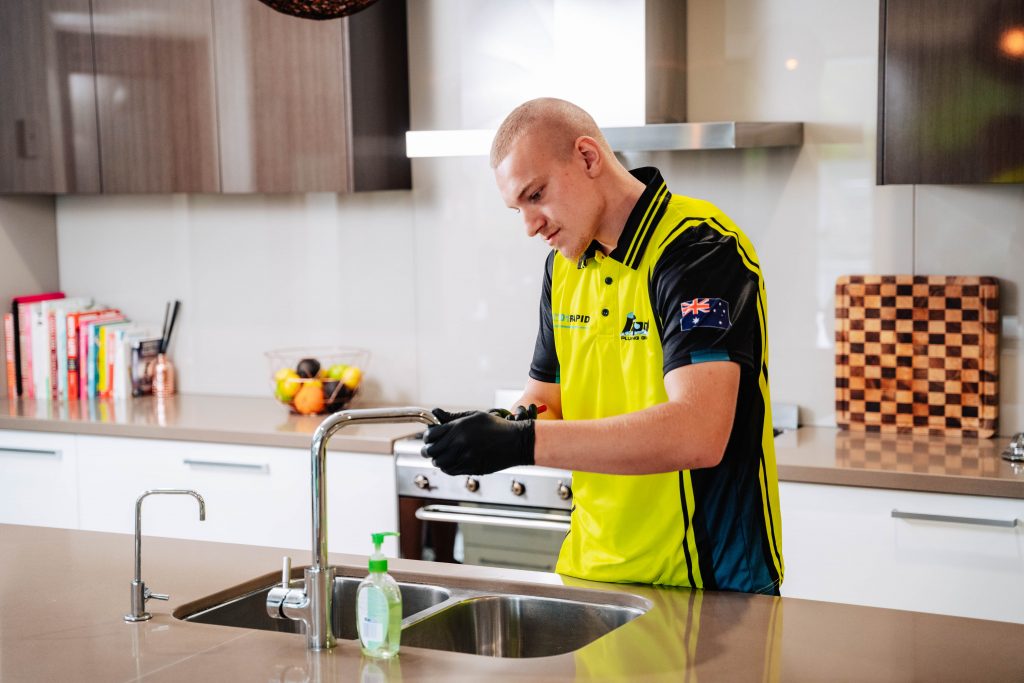
A bubbling sink usually means air is getting trapped or pushed back through water somewhere in your drainage system.
Your sink drain isn’t just a pipe that carries water away. It’s part of a larger system that includes:
- The trap (U-bend) under the sink, which holds water to block sewer smells
- Branch drain lines that carry wastewater to bigger pipes
- A vent system that balances pressure and prevents suction
- The main drain or sewer line that carries wastewater away from your property
When any part of that system becomes restricted or unbalanced, your plumbing tries to “breathe” through the easiest pathway—often your sink drain. That’s why you might see bubbles rising through the water, or hear a gulping sound after water runs.
Important note: Bubbling doesn’t always mean you have a full blockage today—but it often means you’re heading toward one if you don’t address the cause.
How we help here: This is where a licensed plumber can do more than guess. A team like Local Windsor Plumber can run inspections and testing, check nearby fixtures, and confirm whether it’s a local kitchen issue or a symptom of a bigger drainage problem.
The Most Common Causes of Kitchen Sink Bubbling
1) A Partial Blockage in the Kitchen Drain (Most Common)
Kitchen drains are the most “abused” drains in most homes—even when you’re careful. The main culprits are:
- Cooking oil, grease, and fat
- Food scraps and fibrous peels
- Coffee grounds
- Soap residue and detergent build-up
- Starchy foods (rice, pasta, flour-based sauces) that form a paste
Over time, these create a sticky layer inside the pipe. Water can still pass, but it slows down and pushes air around. That’s when bubbling starts.
Signs this is your issue:
- Bubbling or gurgling happens only in the kitchen sink
- The sink drains slower than usual
- The smell is “off” after running water
- Hot water makes the bubbling a little better (temporary)
How a plumber fixes it properly:
Instead of just poking through a clog, Local Windsor Plumber can use blocked drain clearing and repairs methods like:
- High-pressure water jetting (water jetting) to scrub the pipe walls clean
- Drain/sewer cleaning to remove built-up grease and sludge
- Camera inspections to confirm the line is actually clear and not just “draining for now”
This matters because a drain that’s only partially cleared often clogs again fast—especially in kitchens.
2) A Clog Further Down the Line (Beyond the Sink Trap)
Sometimes homeowners clean the trap under the sink and expect the bubbling to stop—only for it to keep happening. That’s usually a clue the blockage is deeper in the line, such as:
- Inside the wall behind the sink
- Under the floor
- In the branch line that connects the kitchen to the main drain
These deeper clogs often happen when grease and food build-up “collect” at a bend or junction.
Signs it’s further down:
- The sink drains slow even after cleaning the trap
- Bubbling happens even with a small trickle of water
- You hear gurgling in nearby plumbing (laundry or bathroom)
- The issue comes and goes depending on how much water you use
How Local Windsor Plumber can help:
This is where camera inspections become incredibly useful. A drain camera can show:
- Exactly where the restriction is
- Whether it’s grease, debris, or a damaged pipe
- How severe the build-up is
- Whether tree roots are involved further out
After locating the problem, water jetting can clear it thoroughly, and the plumber can retest flow to make sure it’s resolved—not just “improved.”
3) A Blocked or Poorly Working Vent Pipe
Your plumbing system relies on venting (often through roof vents) so air can enter and exit the drainage network. If venting is blocked, your drain can struggle to “pull” water downward properly.
Vent issues can happen due to:
- Leaves and debris (especially after storms)
- Birds nesting in roof vent openings
- Broken or misaligned vent pipes
- Poor venting design (more common in renovations or extensions)
Signs of venting problems:
- Bubbling and gurgling that seems random
- Bubbling gets worse during heavy water use (showers, laundry)
- Sewer smells appear occasionally
- Toilet bowl may ripple or bubble when you run the sink
- Multiple fixtures sound “noisy”
Professional fix:
A plumber can do inspections and testing to confirm vent issues and identify whether the bubbling is being caused by pressure imbalance.
If gas odours are involved, Local Windsor Plumber’s gas leak detection service also matters. Sometimes people assume sewer smell = “just a drain,” but any unusual gas smell should be checked properly for safety.
4) Grease Build-Up in the Main Line (Especially in Busy Homes)
Even if you never pour oil down the sink, grease still enters drains from:
- Washed frying pans
- Meat drippings
- Butter and sauces
- Creamy dish residues
Grease cools in pipes and sticks to the walls. Over months or years, it narrows the pipe until water and air movement becomes restricted.
Who gets this most often:
- Larger households
- Homes that cook daily
- Older homes with narrower pipework
- Homes that rely heavily on dish soap (soap can move grease deeper before it cools and sets)
What bubbling looks like here:
- Bubbling happens more often at peak usage (after dinner)
- Sink drains slower when you run a lot of water
- You may hear gurgling after the tap turns off
- Smells may come and go
How Local Windsor Plumber handles it:
This is where high-pressure water jetting and drain/sewer cleaning are the best tools. Jetting doesn’t just punch a small tunnel through grease—it cleans the internal diameter so the pipe can breathe and drain normally again.
If the problem is recurring, a camera inspection can confirm whether the pipe is damaged or if it’s simply heavy build-up.
5) Dishwasher Connection Issues (Air Gaps, Hoses, and Backflow)
If your sink bubbles mainly when the dishwasher drains, it could be caused by:
- A partially blocked dishwasher drain hose
- A clogged connection at the sink spigot
- Poorly installed “high loop” (this prevents dirty water flowing back)
- A shared blockage in the kitchen branch line
- Backpressure caused by a restricted drain path
Dishwashers pump water out fast. If the line is restricted, the pressure can push air and water back into the sink—creating bubbling and sometimes even dirty water rising in the basin.
How we fix this (professionally):
Local Windsor Plumber can handle this through:
- General plumbing repairs and installations (checking and correcting fittings, hoses, clamps)
- Blocked drain clearing if the shared line is restricted
- Inspections and testing to confirm correct drainage and prevent backflow issues
If you’re also noticing leaks under the sink during dishwasher cycles, that may connect to leak detection and repairs around fittings and joins.
6) Tree Roots in the Sewer Line (A Big One in Many Suburbs)
Tree roots love moisture. If there’s even a tiny crack or loose joint in an underground drain, roots can sneak in and expand. Once inside, they catch debris and build blockages that get worse over time.
Signs roots may be involved:
- Bubbling and gurgling happens in more than one drain
- Blockages keep coming back even after “clearing”
- Drains slow down across the home, not just the kitchen
- You notice damp patches or unusually green grass in one area of the yard (sometimes)
How Local Windsor Plumber deals with roots:
This is where their blocked drain clearing and repairs services are critical:
- Camera inspections to confirm root intrusion and locate it
- Tree root removal using proper root-cutting tools
- Water jetting to flush debris after roots are cut back
- Advice on whether you need a repair, especially if the pipe is cracked
If roots are linked to pipe damage, the plumber can talk you through repair options, based on what the camera finds.
7) A Bigger Sewer Problem (Including Overflow Risk)
Sometimes kitchen sink bubbling is the first warning that your home’s main drainage system is under stress. This can happen from:
- A developing main sewer blockage
- A collapsed or damaged section of pipe
- Heavy build-up in the main line
- External obstructions (roots, debris)
Red flags that suggest a bigger issue:
- Multiple drains slow down at once (kitchen + bathroom + laundry)
- Toilet gurgles or water level changes
- Shower or floor waste drains bubble
- You smell sewage inside or outside
- Water backs up in the lowest drain point
When the main line is restricted, wastewater may look for the easiest way back up. That’s when a “small bubbling sink” can become a messy emergency.
How we respond:
Local Windsor Plumber provides 24/7 emergency plumbing, which is important if:
- You have wastewater backing up
- You suspect a sewer overflow risk
- The smell is strong and persistent
- The blockage is affecting multiple fixtures
They can perform drain/sewer cleaning, camera inspections, and fast clearing to restore safe flow.
Is a Bubbling Sink Dangerous?
Not always—but it can become a bigger problem if you ignore it.
When it’s usually “early warning”
- Bubbling is occasional
- Drain still works (just slower)
- No smells or backup
This often means partial blockage or early-stage build-up.
When it becomes urgent
- Strong sewer smell
- Bubbling across multiple fixtures
- Water backing up
- Toilet gurgling or bubbling
- Drainage gets worse quickly
In these cases, call a plumber. Problems involving sewer gas, major restrictions, or a damaged line can escalate fast.
Local Windsor Plumber can also support safety checks with inspections and testing, plus leak detection services if water damage is suspected under floors or cabinetry.
Quick Home Checks You Can Do Safely
Here are safe steps that help you understand what’s happening (without causing damage):
Check 1: Test other drains
Run the kitchen tap, then listen:
- Do you hear gurgling in the bathroom?
- Does the laundry sink bubble?
- Does the toilet ripple?
If yes, it suggests a shared line or main line issue.
Check 2: Observe when it happens
- Only when you run the tap?
- After you turn the tap off?
- Only when the dishwasher drains?
This timing helps narrow the cause.
Check 3: Basic trap inspection
If you’re comfortable, check under the sink:
- Any leaks around joints?
- Any smell?
- Any water stains in the cabinet?
If you see moisture but don’t know where it’s coming from, water leak detection can pinpoint it before cabinetry swells or mould forms.
Check 4: Gentle grease-flush option
A mild approach:
- Hot tap water + a small amount of dish soap can help loosen minor grease near the top of the line.
Avoid harsh chemicals—they can damage pipes and don’t usually solve the deeper cause.
When You Should Call a Plumber (Don’t Wait Too Long)
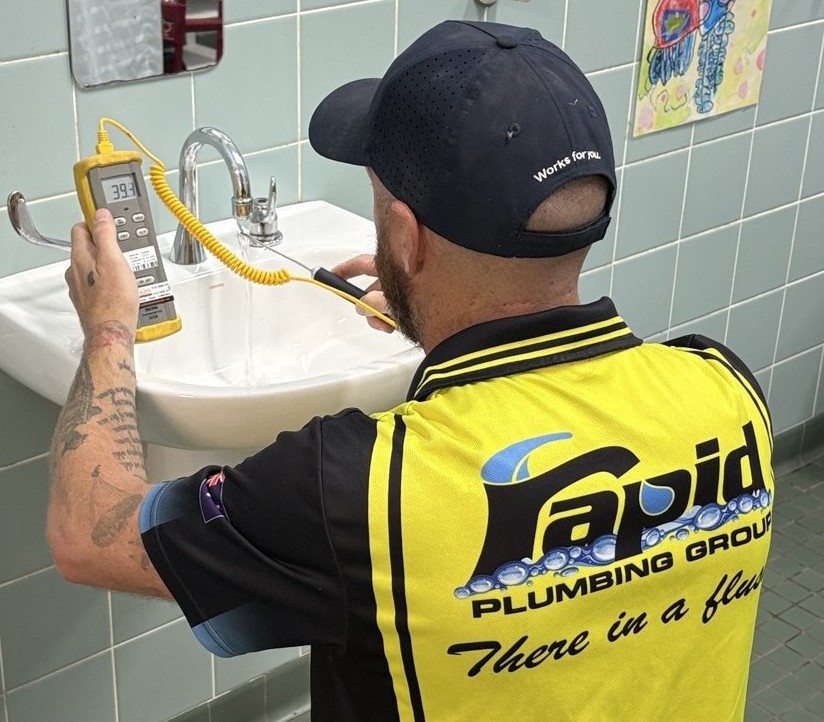
Call a plumber if:
- Bubbling persists after basic cleaning
- Sink is slow and getting worse
- You smell sewage
- Dishwasher causes bubbling or backup
- Gurgling occurs in multiple drains
- The problem keeps returning every few weeks
This is exactly where professional services make a difference, like:
- Blocked drain clearing and repairs
- Camera inspections
- High-pressure water jetting
- 24/7 emergency plumbing if there’s backup risk
How a Professional Plumber Diagnoses a Bubbling Sink
Good plumbing is not guesswork. A proper diagnosis usually includes:
1) Visual checks + inspections and testing
A plumber checks:
- Drain speed
- Trap seal function
- Signs of pressure imbalance
- Connection points (including dishwasher lines)
2) Drain camera inspections
This identifies:
- Grease build-up thickness
- Root intrusion
- Pipe cracks or collapses
- Foreign objects lodged in the line
3) High-pressure water jetting
Jetting clears:
- Grease and sludge
- Soft blockages
- Debris caught behind roots (after cutting)
4) Follow-up flow testing
After clearing, plumbers retest drainage to confirm bubbling is gone and the line is open.
What the Fix Usually Looks Like
If it’s grease/food build-up
- Drain cleaning + jetting
- Trap clean-out
- Prevention advice for kitchen habits
If it’s a deeper blockage
- Mechanical clearing + jetting
- Camera confirmation of a full clear
If it’s tree roots
- Tree root removal
- Camera inspection for damage
- Drain repair plan if the pipe is cracked
If the pipe is damaged
- Targeted repairs or replacement
- Options based on what the camera shows
- Long-term solution planning so it doesn’t keep recurring
Prevention Tips to Stop Kitchen Sink Bubbling
Simple habits make a big difference:
- Wipe greasy pans with paper towel before washing
- Use a sink strainer for scraps
- Avoid coffee grounds in the sink
- Run clean water after heavy dishwashing
- Consider periodic professional drain cleaning for busy households
For homeowners in Penrith who cook often, a preventative service like drain/sewer cleaning can be cheaper and easier than emergency call-outs later.
Residential vs Commercial/Industrial: Why Kitchens Clog Differently
In homes, bubbling usually comes from grease and food build-up.
In commercial and industrial kitchens, issues can involve:
- High grease volume
- Grease traps and maintenance schedules
- Higher drainage load
- Shared lines across multiple sinks and appliances
Local Windsor Plumber supports residential, commercial, and industrial plumbing services, so whether it’s a family kitchen, a café, or a facility site, the approach is based on proper diagnosis and safe, compliant repair methods.
Frequently Asked Questions
Why does my sink bubble but still drain?
A partial blockage can still let water pass while disrupting airflow, causing bubbling before a full clog forms.
Can a bubbling sink mean a sewer blockage?
Yes—especially if multiple drains gurgle or drain slowly. It may be a main line restriction.
Will boiling water fix a bubbling sink?
It might help minor grease near the top of the line, but it won’t fix deep clogs, roots, or pipe damage.
Why does my sink bubble when the dishwasher drains?
Dishwashers pump water out under pressure. A restricted or poorly set-up drain path can push air and water back into the sink.
How Local Windsor Plumber Can Help
If your kitchen sink is bubbling when you run the tap, it’s often the start of a bigger blockage—especially in busy households. Don’t wait until the sink stops draining or wastewater backs up.
Local Windsor Plumber helps homeowners with residential plumbing in Penrith, offering practical, long-lasting fixes—not temporary patches. Our services include:
- 24/7 emergency plumbing (for overflows, backups, urgent drain issues)
- Blocked drain clearing and repairs
- High-pressure water jetting
- Full drain/sewer cleaning
- Camera inspections to locate the real cause
- Tree root removal for recurring blockages
- General plumbing repairs and installations
- Taps, toilets, showers
- Full inspections and testing for peace of mind
- Hot water system supply, installation, servicing, and repairs
- Gas, electric, instant, heat pumps, solar, commercial hot water
- Gas fitting and gas plumbing
- Installations, appliance installs, repairs, gas leak detection
- Leak detection
- Water, shower, pool, and gas leak detection
- Water filtration solutions (for better-tasting, cleaner water at home)
If you want the bubbling fixed properly—and want to prevent the next blockage—call us today.
Call Local Windsor Plumber: 245551007
We’ll find the cause fast, clear the line safely, and get your kitchen sink draining smoothly again.