
Drain Flies in the Bathroom: What They Signal About Your Drains
Seeing tiny, fuzzy little flies in your bathroom can be unsettling. They hover near the sink, sit on the tiles, and seem to appear out of nowhere—especially around the shower or floor drain. Most people assume it’s just “humidity” or a general cleanliness issue. But in many homes, drain flies are actually a plumbing warning sign, not just a pest problem.
Drain flies (often called moth flies or sewer flies) thrive in one specific place: the slimy organic build-up inside drains and pipes. That build-up forms when hair, soap scum, toothpaste, body oils, and grime collect inside the drain line and create a moist layer called biofilm. Drain flies lay eggs in that biofilm, larvae feed on it, and within days you can have a repeat “fly problem” no matter how often you spray or wipe surfaces.
For homeowners in Penrith and surrounding suburbs, drain flies also matter because they can hint at bigger plumbing issues like slow drains, early blockages, trap problems, hidden leaks, or even sewer line issues. If you’re searching for residential plumbing in Penrith, this is exactly the kind of issue a good plumber treats properly—by solving the cause inside the drainage system, not just the symptom you can see.
This pillar guide explains:
- what drain flies are,
- what they usually signal about your drains,
- what you can safely check at home,
- and how Local Windsor Plumber can eliminate the root cause with professional drain cleaning, inspections, and repairs.
What Are Drain Flies (And Why Do They Love Bathrooms)?
Drain flies are tiny insects, usually 2–5 mm long, often grey or black with fuzzy wings. They look like miniature moths and tend to “hop-fly” in short bursts rather than zoom around like mozzies. They also love to rest on walls, mirrors, tiles, and around basins—especially near moisture sources.
Why bathrooms are their favourite place
Bathrooms offer everything drain flies need:
- Constant moisture from showers, basins, and condensation
- Warm temperatures, especially in summer or after hot showers
- Organic debris (hair, skin flakes, soap scum) that feeds bacteria
- Low-flow areas inside pipes where gunk sticks and builds up
- Floor wastes and rarely used drains where water can sit or traps can dry out
Here’s the important part: drain flies aren’t breeding in “clean running water.” They breed in the slime layer on pipe walls—which means their presence usually points to a drain that needs attention.
A plumbing perspective (what a licensed plumber sees)
When Local Windsor Plumber gets a call about drain flies, they don’t treat it like a bug spray job. They treat it as a sign of:
- biofilm build-up
- a partial blockage forming
- or a drain system issue that’s allowing odours and pests to escape (such as trap or vent problems)
That’s why the long-term fix often involves drain cleaning, water jetting, and sometimes a camera inspection.
The Real Message Behind Drain Flies: “There’s Build-Up in Your Drain”
If drain flies keep appearing, it’s usually because something inside your drain is acting like a buffet.
A bathroom drain doesn’t just carry water. It carries:
- hair
- soap and shampoo residue
- toothpaste and mouthwash residue
- body oils and skin cells
- shaving foam and grooming product build-up
- sometimes sand/dirt from kids, pets, or outdoor use
Over time, these materials stick to the inside of your pipes—especially around bends and joins—and create a slimy layer. That layer is where drain flies breed.
The build-up doesn’t always look like a clog (yet)
Many people only think of “blocked drains” when water stops flowing. But drain flies can show up before you get a full blockage. They’re often an early warning sign that the drain is slowing down and collecting grime.
Real-world drain services that solve the actual problem
When the issue is deeper than surface cleaning, Local Windsor Plumber can help with services such as:
- Blocked drain clearing (before it becomes a full backup)
- Drain and sewer cleaning
- High-pressure water jetting to strip biofilm and sludge from pipe walls
- Camera inspections to locate hidden build-up, cracked sections, or pooling water
- Tree root removal if roots are affecting the sewer line and causing slow flow and organic build-up
This is why drain flies should be taken seriously: they can be your first clue that your drains need proper cleaning or inspection.
Drain Fly vs. Fruit Fly vs. Sewer Gnat: How to Tell the Difference
Treating the wrong pest wastes time. Here’s a quick, practical comparison.
Drain flies (moth flies)
- Look fuzzy, like tiny moths
- Move slowly and rest often
- Most common around shower drains, basins, and floor wastes
- Often appear alongside drain smells or slow draining
Fruit flies
- Smooth body, tan/light brown
- Fast fliers, hover around food and bins
- Usually in kitchens near fruit bowls, recycling, compost
“Sewer gnats” or small flies
- May appear in clusters
- Often linked to damp areas, standing water, or plumbing vent issues
If the flies are mostly in the bathroom and hang around drains, you’re likely dealing with drain flies—and the right fix is drain-focused.
What Drain Flies Can Signal About Your Plumbing
Drain flies are a symptom. Here are the most common plumbing signals they point to, from most common to more serious.
1) Biofilm and sludge inside the drain line (most common)
This is the classic cause. Even if your bathroom looks clean, the inside of the pipe can be coated with build-up.
Signs that support this:
- musty or sour drain odour
- flies clustering near the shower drain
- the smell returns after cleaning the bathroom
- slow draining that’s “not bad enough to call someone” (yet)
Relevant services:
- drain cleaning
- water jetting
- general plumbing inspections and testing
2) A slow or partial blockage forming
A partial blockage traps water and debris. That means more slime, more smell, and more breeding.
Signs:
- water pools briefly and then drains
- shower water rises around your feet
- basin drains slowly after brushing teeth
- gurgling sounds in the drain
Relevant services:
- blocked drain clearing
- drain/sewer cleaning
- camera inspection to pinpoint the restriction
3) A dry floor waste or unused drain (trap drying out)
If the drain trap dries out, there’s no water seal. Smells and pests can come up.
Signs:
- drain flies near a floor waste you rarely use
- sewer smell during hot days
- the problem is worse after holidays or time away
Relevant services:
- inspections and testing
- advice on trap primers or maintenance
- checking for venting issues (if traps are being siphoned)
4) A leaking drain connection or hidden moisture issue
Drain flies can breed in damp grime under a vanity, behind walls, or under showers if a drain connection is leaking.
Signs:
- recurring mould or damp smell
- soft/wet vanity base
- swollen skirting boards
- unexplained moisture near the bathroom
Relevant services:
- leak detection (water and shower leaks)
- plumbing repairs and replacements (pipes, fittings, traps)
- emergency repairs if water damage is active
5) Sewer line or venting issues (less common but urgent)
If your sewer line is partially blocked or your venting is faulty, drains may smell, gurgle, or lose their trap seal.
Signs:
- multiple drains affected across the home
- toilet gurgles when shower runs
- sewer smell is strong and persistent
- water levels in toilet bowl change
Relevant services:
- drain/sewer cleaning
- high-pressure jetting
- camera inspections
- tree root removal
- 24/7 emergency plumbing if there’s a backup
Why You Shouldn’t Ignore Drain Flies (Even If They Seem Small)
Drain flies don’t just “happen.” They appear when your drains have become a suitable breeding environment. If you ignore them, you risk turning a manageable issue into a bigger (and messier) plumbing problem.
What can happen if you leave it too long
- Recurring clogs that keep coming back
- Stronger smells that spread through the bathroom and hallway
- Water backing up into showers or floor wastes
- Hidden leaks continuing long enough to damage cabinetry, plaster, or flooring
- Higher repair costs if a small blockage becomes a major blocked drain or sewer issue
A lot of Penrith homeowners call a plumber only after an overflow. The goal is to catch the problem earlier—when it’s cheaper, faster, and less stressful.
DIY Checks You Can Do Today (Simple, Safe, and Effective)
You can confirm the source and reduce the problem safely without guessing.
Step 1: Confirm it’s the drain (the tape test)
- Dry the drain area.
- Place clear tape over the drain opening (sticky side down).
- Leave overnight.
If flies stick to the tape, they’re coming from that drain. If not, check nearby drains or overflow openings.
Step 2: Refill every trap in the bathroom
Run water for 10–20 seconds in:
- basin
- shower
- bath (if you have one)
- pour a jug of water down the floor waste
Why it works: Traps block sewer gases and pests. A dry trap is an open doorway.
Step 3: Scrub the drain cover and rim (where eggs can hide)
Remove the grate and scrub:
- the underside of the cover
- the rim of the drain
- any visible slime
A toothbrush works well. A small bottle brush works even better.
Step 4: Clean inside the first part of the drain (the most important part)
Drain fly larvae often live just below the surface where there’s oxygen and biofilm.
Use:
- a long flexible drain brush, or
- a plastic drain snake (for hair removal)
Remove any hair and slime. Dispose in the bin, not back down the drain.
Step 5: Flush with hot water (when safe)
Hot water can loosen soap and grease films. If your plumbing is modern and you’re confident it’s safe, pour hot water to help flush loosened residue.
Step 6: Watch for signs that suggest a deeper problem
After cleaning, monitor for:
- slow drainage returning quickly
- persistent gurgling
- smells that come back within 48–72 hours
- flies returning within a week
If any of these happen, the build-up is likely deeper than DIY cleaning can reach.
What NOT to Do (Common Mistakes That Make It Worse)
Don’t rely on bug spray alone
It kills the visible adults but doesn’t remove eggs and larvae in the drain. They return fast.
Don’t keep pouring harsh chemicals repeatedly
Frequent chemical use can:
- damage pipes and seals
- create dangerous fumes in a small bathroom
- still fail to remove thick biofilm
Licensed plumbers use methods that physically remove the build-up—like water jetting and professional drain cleaning.
Don’t ignore “small” drain symptoms
Drain flies plus any of these usually means the drain needs real attention:
- slow draining
- bad smells
- gurgling
- repeated clogs
When It’s Time to Call a Plumber
Call a plumber if:
- drain flies return after you’ve cleaned properly
- there’s a strong sewer smell
- your shower or basin drains slowly
- more than one bathroom drain is affected
- you suspect a leak under the vanity or shower
- you’ve had a blocked drain recently
- the issue gets worse after rain (possible sewer line stress or root intrusion)
This is where Local Windsor Plumber can step in with tools and experience to find the cause fast.
How a Professional Plumber Fixes Drain Fly Problems (Long-Term)
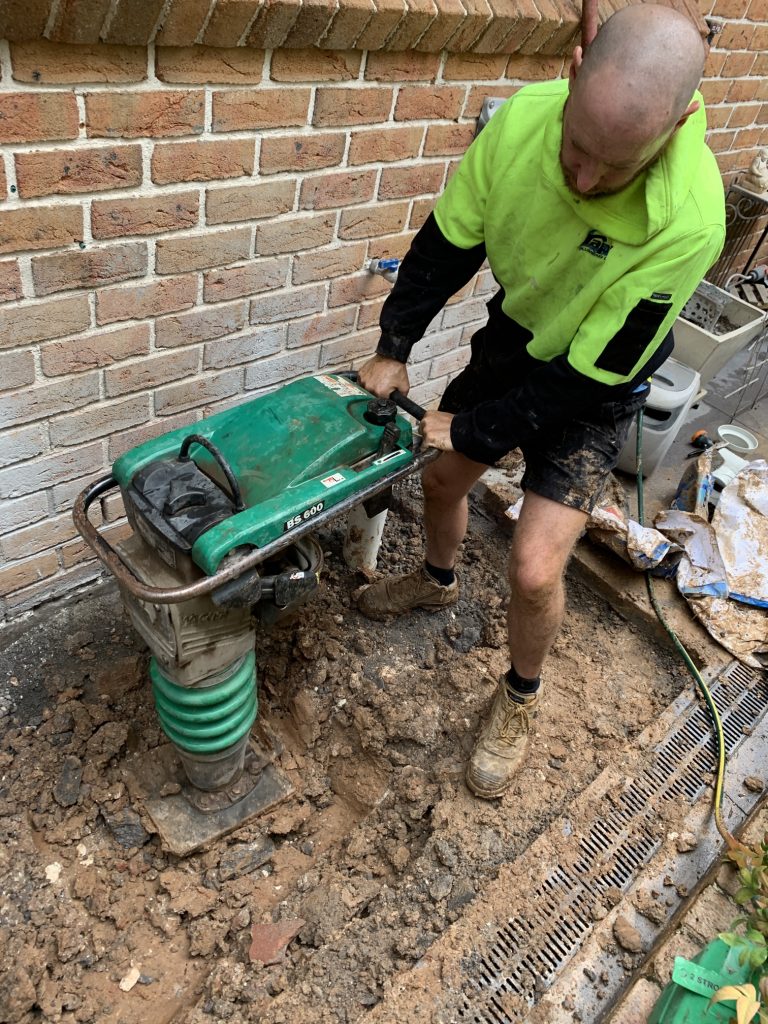
Drain flies disappear long-term when the breeding ground is removed.
1) Proper drain cleaning and blocked drain clearing
A plumber can clear hair, sludge, and early blockages safely and thoroughly.
Services used:
- blocked drain clearing and repairs
- drain/sewer cleaning
- general plumbing checks
2) High-pressure water jetting (best for biofilm)
Water jetting strips slime from pipe walls. This is one of the most effective long-term solutions because it removes what drain flies feed on—not just what’s blocking flow.
Used for:
- recurring drain smells
- slow drains that keep returning
- stubborn soap scum/hair sludge
- preventative maintenance
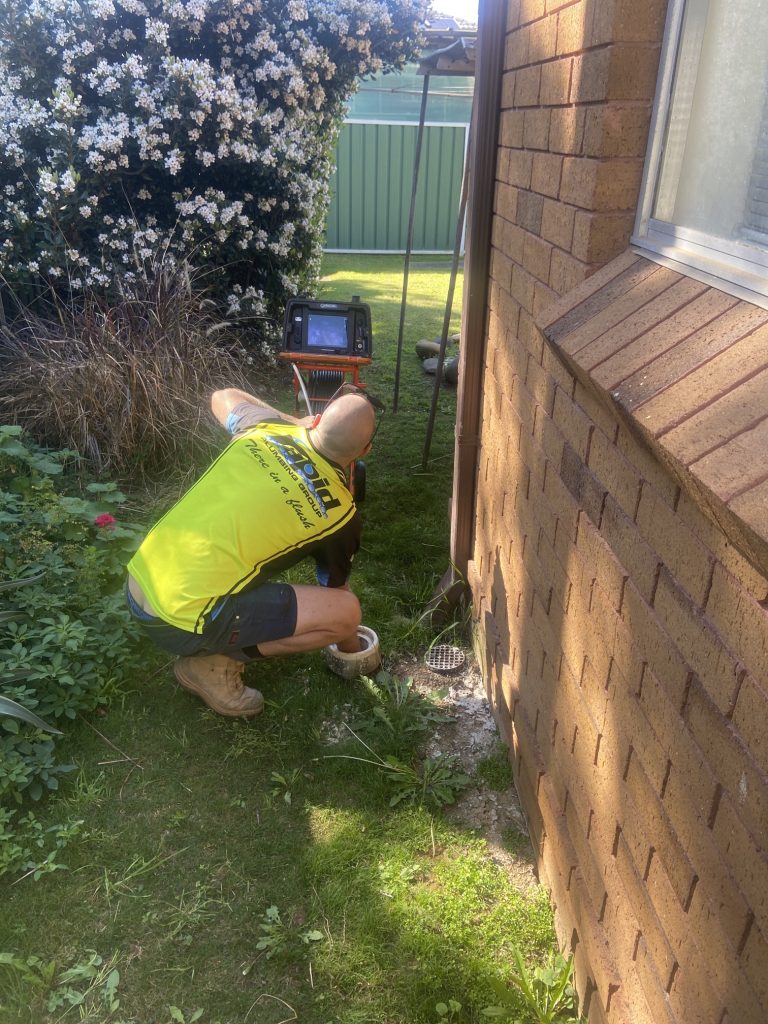
3) Camera inspections (when the problem keeps returning)
A drain camera inspection shows exactly what’s happening inside the line, including:
- build-up further down
- cracked sections
- sagging sections where water pools
- tree roots in sewer lines
4) Repairs if a leak or damage is detected
If the drain flies are tied to dampness or a broken connection, repairs may include:
- replacing damaged pipe sections
- resealing leaking fittings
- fixing shower waste connections
- addressing venting or trap issues
5) Emergency plumbing support if drains are backing up
If there’s a sewage smell plus water backing up, it’s not a “wait and see” situation. That’s where 24/7 emergency plumbing matters.
Prevention Tips That Actually Keep Drain Flies Away
Once the drain is properly cleaned, prevention is simple.
Weekly (especially for family bathrooms)
- remove hair from shower grates
- run water in floor wastes
- rinse basins after heavy product use
Monthly
- scrub drain covers and rims
- flush with hot water (if safe)
- watch for early slow drainage
If you have multiple bathrooms
Low-use bathrooms are common drain fly hotspots. Keeping traps filled is key.
Why This Matters for Homes in Penrith and Nearby Suburbs
In Penrith and surrounding areas, drain fly issues often flare up due to:
- busy family bathrooms (high hair/product load)
- summer heat speeding up odours and evaporation
- older plumbing in some properties
- tree roots affecting sewer lines over time
That’s why drain flies aren’t just “gross.” They’re a practical signal that your drains may need cleaning, inspection, or repair—especially if you want to avoid bigger blocked drain problems later.
If you’re searching for residential plumbing in Penrith, it helps to work with a plumber who understands the full picture: drainage, leak detection, blocked drains, and preventative solutions.
How Can Local Windsor Plumber Help You?
If drain flies are appearing in your bathroom, the goal isn’t just to get rid of the flies you can see. The goal is to remove the slime and build-up inside your drains—and make sure there isn’t a deeper issue like a partial blockage, leak, or sewer line restriction.
Local Windsor Plumber provides trusted residential, commercial, and industrial plumbing services across Western Sydney, including Penrith, with practical solutions that stop drain flies at the source.
Here’s what Local Windsor Plumber can do for you
- Blocked drain clearing and repairs to restore fast drainage and prevent backups
- High-pressure water jetting to remove biofilm, sludge, hair residue, and drain grime
- Drain and sewer cleaning to eliminate smells and breeding conditions
- CCTV camera inspections to find recurring build-up, cracks, sagging lines, or hidden problems
- Tree root removal if roots are slowing or damaging your sewer line
- Leak detection (water, shower, pool, and gas) if dampness or hidden leaks are suspected
- General plumbing repairs and installations (taps, toilets, showers, inspections and testing)
- 24/7 emergency plumbing if your drain is backing up or overflowing
- Water filtration solutions if sediment, poor water quality, or mineral build-up is contributing to plumbing issues
- Gas fitting and gas plumbing, including appliance installs, repairs, and gas leak detection for full-property support
- Hot water system servicing and repairs (gas, electric, instant, heat pumps, solar, and commercial hot water) if you want one team for all plumbing needs
If you want a proper diagnosis and a fix that lasts, call Local Windsor Plumber on 245551007. We’ll inspect what’s going on, clear the drain properly, and explain the best next step in plain English—so your bathroom stays fresh, safe, and fly-free.